
Free Developer Tool

Text Case Converter: Camel Case, Snake Case and More

Turn any phrase into camelCase, PascalCase, snake_case, kebab-case, Title Case, Sentence case, UPPERCASE or lowercase. Eight formats, one click.

camelCase PascalCase snake_case kebab-case Title Case Sentence case UPPERCASE lowercase

Convert Text to Camel Case, Snake Case or Title Case

Naming variables, writing headings or building URLs? This text case converter rewrites your words in the exact format you need, so you stop fixing capitals and underscores by hand. Paste a phrase, pick a style and copy the result.

Read more

Camel case example converting "user first name" to userFirstName

Camel Case for JavaScript and JSON

Camel case joins words with no spaces and capitalizes each word after the first: userFirstName. Camel casing is the standard for JavaScript variables and Java methods, and many JSON APIs use it for keys.
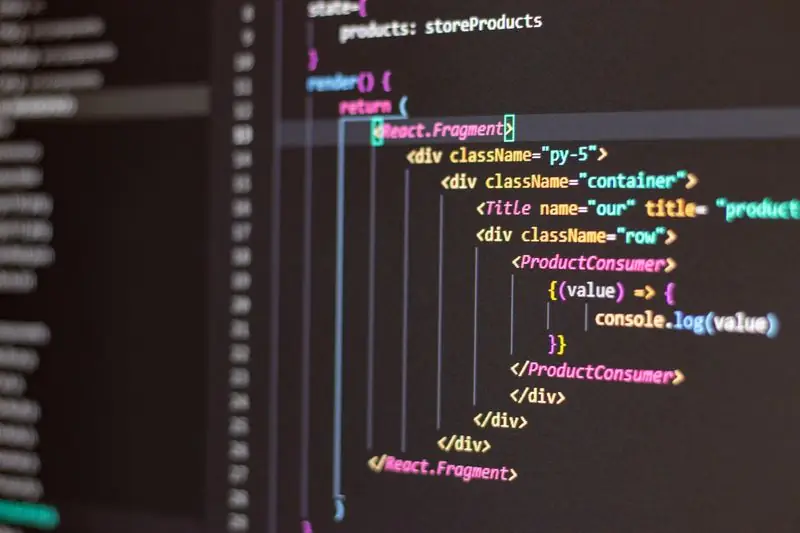
PascalCase converter output for a React component name

PascalCase for Classes and Components

Pascal case capitalizes every word, including the first: UserProfileCard. Developers use Pascal casing for class names in C# and Java and for React component names.

snake_case example for Python variables and database column names

Snake Case for Python and Databases

Snake case writes words in lowercase and joins them with underscores: user_first_name. Snake casing is the Python convention for variables and functions (PEP 8) and a common choice for database columns.
Kebab case converter output used for a CSS class name

Kebab-Case for URLs and CSS

Kebab case uses lowercase words joined by hyphens: user-first-name. You'll find kebab casing in CSS class names, HTML attributes, file names and SEO-friendly URL slugs.

Title case and sentence case versions of the same blog headline

Title Case and Sentence Case for Headlines

Title case capitalizes the main words of a heading, a natural fit for blog titles, H1s and email subjects. Sentence case capitalizes only the first word, for a softer, modern look.

Text case converter with eight case format buttons

Every Naming Convention in One Place

UPPERCASE and lowercase sit beside the developer formats, so you can switch between all eight styles without opening a second tool. Click Sample to see each one in action.

How to Use the Text Case Converter

1

Paste your text

Type or paste a word, phrase or variable name into the box. Click Sample first if you want to see how it works.
2

Choose camel case, snake case or another format

Pick camelCase, PascalCase, snake_case, kebab-case, Title Case, Sentence case, UPPERCASE or lowercase.
3

Copy the result

The converted text appears instantly. Copy it into your code editor, CMS, spreadsheet or document.
4

Clear and convert the next one

Click Clear to start fresh and convert the next variable, file name or headline.

Text Case Converter FAQs

Naming conventions, explained with examples.

What is camel case?

Camel case (camelCase) writes a phrase with no spaces, starting lowercase and capitalizing each following word, like the humps on a camel. It's also called camelback case, camel caps, camel format or camel notation. Some people simply search for "camel text". All mean the same style.

Can you show a camel case example?

Sure. "first name" becomes firstName, "total order value" becomes totalOrderValue, and "is user active" becomes isUserActive. Paste your own phrase into the tool to get the same result instantly, including longer names.

What's the difference between camel case vs snake case?

Camel case joins words with capitals (orderTotal), while snake_case uses lowercase words and underscores (order_total). The right choice depends on the language: JavaScript and Java lean on camelCase, while Python, Ruby and SQL lean on snake case. When comparing snake case vs camel case, consistency across a project matters more than either style.

Pascal case vs camel case: what's the difference?

Only the first letter. PascalCase (also called Pascal notation or upper camel case) capitalizes the first word too: OrderTotal. camelCase keeps it lowercase: orderTotal. Classes and components usually use PascalCase; variables and functions usually use camelCase.

What is kebab case?

Kebab case writes lowercase words joined by hyphens, like words on a skewer: order-total. You'll also see it written kebabcase. Most programming languages can't use it for variable names because the hyphen means minus, so it's mainly used for URLs, CSS classes and file names.

What is train case?

Train case capitalizes each word and joins them with hyphens: Content-Type. It's common in HTTP header names. There's no Train Case button yet, but you can convert to Title Case and swap the spaces for hyphens.

Why do naming conventions matter?

Consistent names make code easier to read, search and review. Linters and style guides such as PEP 8 expect a specific case for each kind of name, so mixing snakecase, pascalcase and camelcase in one project creates errors and messy diffs.

Is this camel case converter free?

Yes. Every format in this camel case converter is free to use, with no signup and no limit. It works in any browser, on desktop or mobile.

Building a URL from a title?

Turn any headline into a clean, SEO-friendly slug with our Text to Slug tool.

Create a slug

Raheel Jakhura

CEO / Co-Founder

Our goal is to provide online free tools so you don't have to install any software for basic usages. We are trying to add more tools and make these tools free forever.

cookies image
We care about your data and would love to use cookies to improve your experience.